
Which of these numbers are nicer?
$0.25 $0.68 $0.75 $0.81 $1.00 $1.19 $1.25 $1.44 $1.50 $1.75 $1.88 $2.00
Why Traders Gravitate Toward Round Numbers
Psychological patterns shape market behavior more than most traders admit. One of the strongest patterns is the human tendency to anchor decisions around crisp, round numbers. These levels become magnets for price action and often act as resistance or support.
The Brain Prefers Simplicity
Round numbers are easier to process. In a fast environment full of noise and risk, traders naturally choose simple targets like 50 or 100 instead of odd numbers. This reduces mental effort and feels more comfortable.
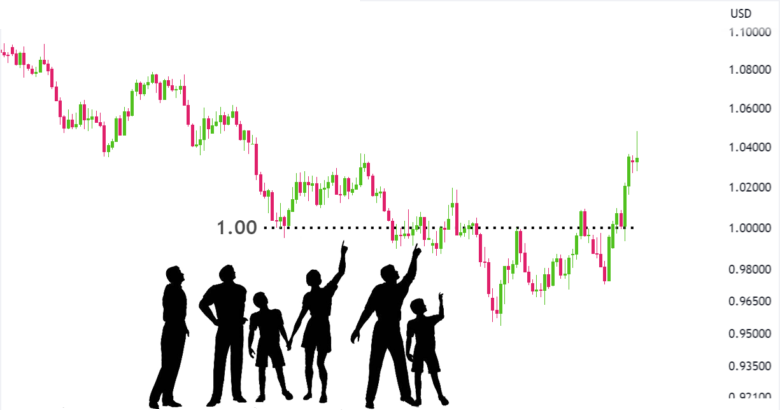
Round Numbers Create Crowd Behavior
Because so many traders think this way, whole numbers attract clusters of orders. Stops, limits, and take profits pile up around clean levels. This concentration of activity creates visible hesitation, sharp bounces, or sudden breakouts.
Algorithms Exploit This Bias
Modern trading systems monitor these psychological hotspots. They know stops are stacked near whole numbers and often trigger fast sweeps through these levels before price settles.
How Traders Can Use This
- Expect stalls or fakeouts near clean levels
- Place stops slightly above or below obvious round numbers
- Treat crisp levels as planning markers, not fixed rules
Round numbers are not magical. They simply reflect how people think. Once you understand that pattern, you start seeing the market with clearer eyes.